
Sauna vs steam room comes down to one variable: humidity. A sauna is hot and dry, a steam room is cooler and saturated, and a Russian banya sits between them because the steam gets added on demand. This guide covers the real differences, what the research does and doesn’t support, and how to choose before you book at House of the Sun in Woodland Hills. Short version: a banya borrows the stove and stones from a sauna and the moist air from a steam room.
Key Takeaways
- A sauna is dry heat at 160 to 220°F. A steam room is 110 to 120°F at near-total humidity.
- A banya is neither: a stove heats stones, and water thrown on them makes steam.
- Sauna research shows an association in Finnish men, not proof. Steam room evidence is thinner.
- Anyone with heart or blood pressure conditions should ask a doctor first.
- At House of the Sun the whole property is reserved for one party.
On This Page
- Sauna vs Steam Room: How the Heat Differs
- Wet Sauna vs Dry Sauna: Where a Banya Fits
- Steam Room Benefits and Sauna Benefits: What the Research Supports
- Sauna or Steam Room: How to Choose for Your First Visit
- Sauna vs Steam Room FAQs
- Book a Private Session at House of the Sun
Sauna vs Steam Room: How the Heat Differs
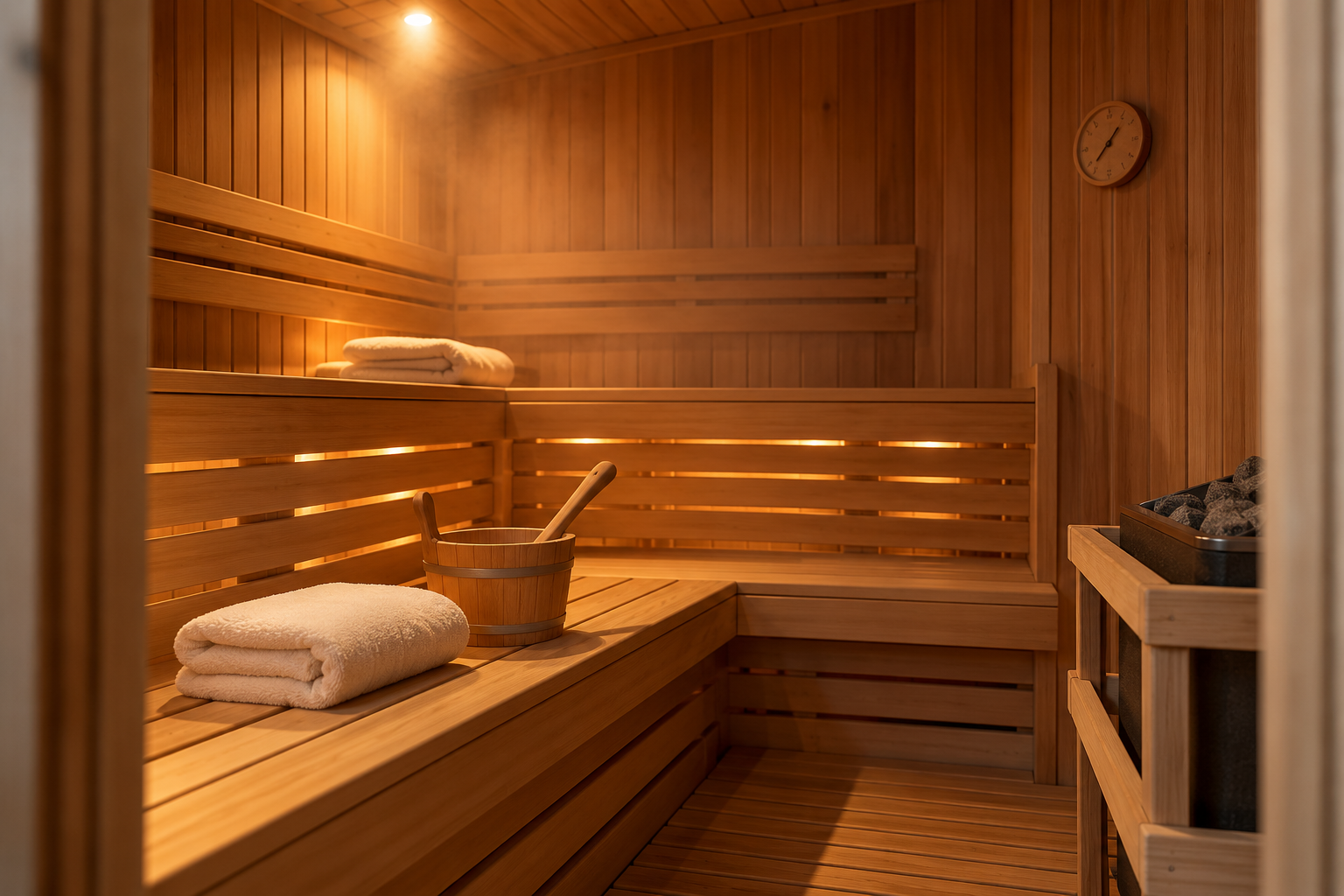
A sauna heats dry air with an electric heater or wood stove over rocks. A steam room boils water in a generator and fills a sealed, tiled room with vapor. WebMD’s steam room overview puts saunas at 160 to 220°F and steam rooms at 110 to 120°F.
| Sauna | Steam room | Banya | |
| Heat source | Heater or stove over rocks | Steam generator | Stove over stones |
| Temperature | 160 to 220°F | 110 to 120°F | Sauna-range, stove-heated |
| Humidity | Low | Near 100% | Bursts of steam |
Humidity changes how the same temperature feels. Sweat can’t evaporate in saturated air, so a steam room at 115°F can feel as demanding as a hotter sauna. Dry sauna vs steam room is really about which heat you tolerate.
Wet Sauna vs Dry Sauna: Where a Banya Fits
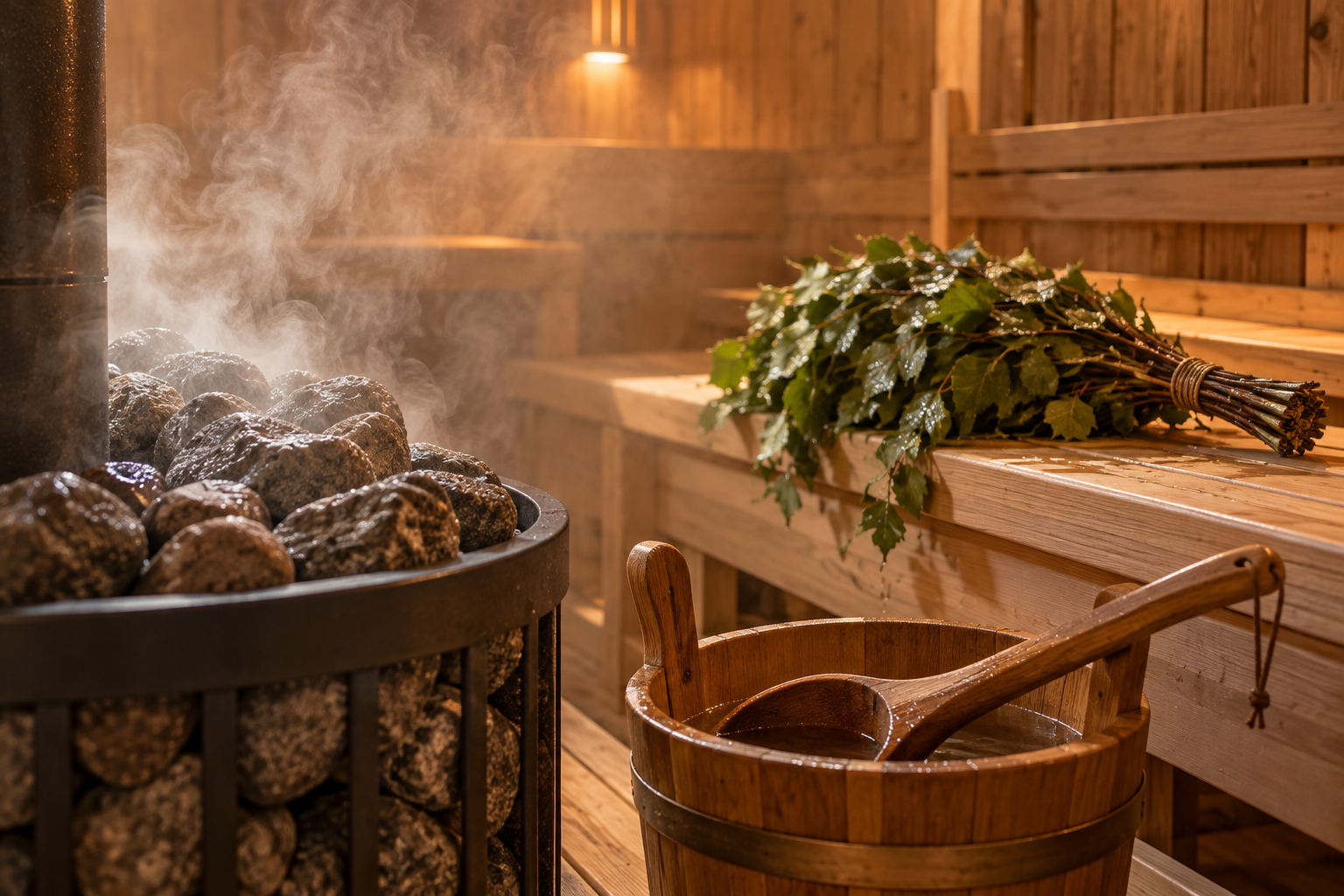
People sometimes call a steam room a wet sauna and a Finnish-style sauna a dry one. A banya fits neither label. In the parilka, its steam room, a stove heats stones, and water thrown on them raises billows of light steam, as a New York Review of Books essay on Russian baths describes it. The practitioner then works a venik, a bundle of birch or oak branches, across your body. It’s closer to a massage than a whipping.
So steam sauna vs dry sauna is a fixed setting, and a banya is a dial: humidity climbs each time water hits the stones and settles between rounds. That’s also the honest answer to banya vs sauna.
At House of the Sun:
- Sauna rental in Los Angeles: dry heat in a private room, from $250 per session.
- Banya rental at House of the Sun: steam, venik massage, a herb-infused ice bath and a cold pool.
It’s the only authentic banya in the West Valley.
Steam Room Benefits and Sauna Benefits: What the Research Supports
The most cited sauna research is a 2015 JAMA Internal Medicine study of 2,315 middle-aged men in eastern Finland, followed for a median of about 21 years. The American College of Cardiology’s summary reports that men who used a sauna four to seven times a week had lower rates of fatal cardiovascular events than men who used one once a week.
- Sauna: an association in Finnish men using traditional saunas, not proof of cause.
- Steam room: WebMD lists short-term effects such as easing congestion and stiff joints, and says steam rooms aren’t treatments.
- Banya: a centuries-old tradition, but no comparable study we can cite.
Read steam bath benefits as short-term comfort, not treatment. House of the Sun doesn’t promise outcomes.

Sauna or Steam Room: How to Choose for Your First Visit
Most guests here have never done this before. Your practitioner sets the intensity to you, and you can sit a round out.
- Pick a steam room if you like moist air and gentler temperatures.
- Pick a sauna if you prefer dry heat and a quiet room without steam.
- Pick a banya if you want steam on demand, cold rounds and someone running the sequence.
Safety comes first. WebMD advises asking a doctor before using a steam room if you have low blood pressure, coronary artery disease, a stroke or TIA history, or heart rhythm problems. Our guide to preparing for a private banya session covers what to tell your practitioner. Comparing other spas? See how to compare spa amenities.
Sauna vs Steam Room FAQs
Is a banya a sauna or a steam room?
A banya is a stone-heated room like a sauna, but it isn’t dry. Water thrown on the hot stones adds steam in bursts. It isn’t a steam room either, because no generator fills the room with constant vapor. House of the Sun in Woodland Hills runs a private banya.
Which is better, a sauna or a steam room?
Neither is better. A sauna gives hotter, drier air, and a steam room gives cooler, saturated air. The right choice depends on how you tolerate heat and humidity. If you can’t decide, a banya is worth a look, because the steam level changes during the session.
How long should you stay in a steam room or sauna?
WebMD recommends limiting a steam room session to 5 to 10 minutes and leaving right away if you feel dizzy or short of breath. Saunas are usually taken in shorter rounds with cooling breaks. Drink water before and after, and skip alcohol.
How much does a private sauna or banya session cost in Woodland Hills?
Private sauna rental at House of the Sun starts at $250 per session. The 2.5-hour Rebirth package, which includes Russian steam and venik massage, is $450 per person. The whole property is reserved for your party, so nobody else is on site.
Book a Private Session at House of the Sun
Choosing between a sauna and a steam room mostly comes down to dry heat or moist heat. Not sure which to book? Tell us what you’re after and how long you’d like, and we’ll tell you which session fits.
You can also call (888) 884-7775, open 6 am to 11 pm daily.