
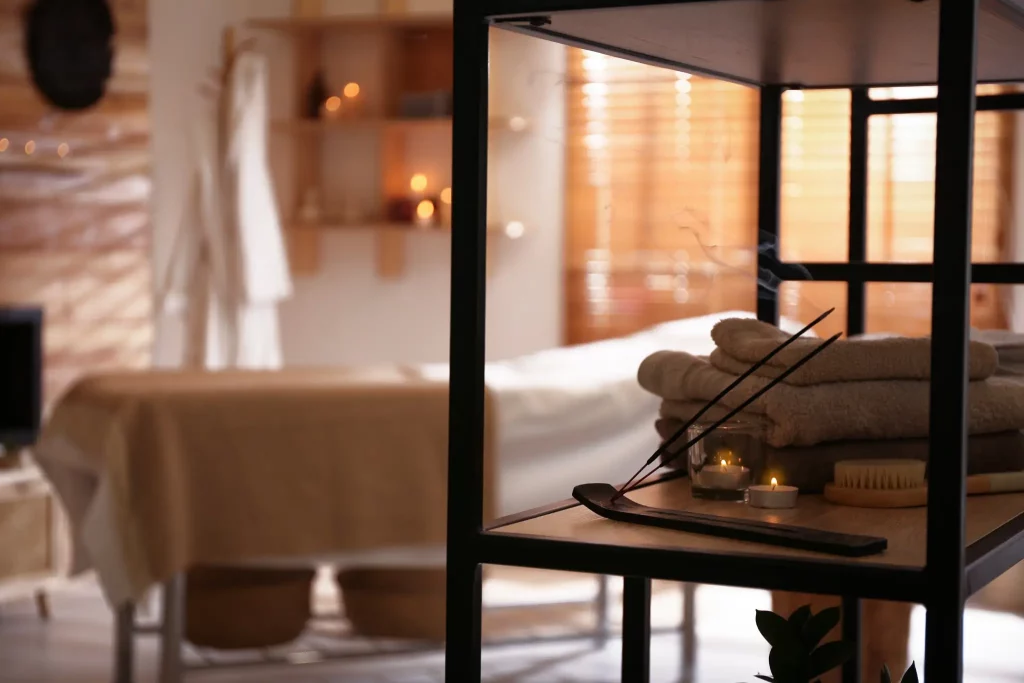
Contrast therapy means moving between heat and cold on purpose: sauna or steam first, then cold water, then rest, repeated in rounds. A beginner’s cold dip lasts a minute or two, so most of a session is heat and recovery. Below, you’ll find what each step does to your body, what research does and doesn’t support, who should check with a doctor first, and how a private banya session at House of the Sun in Woodland Hills runs the sequence.
Key Takeaways
- Contrast therapy alternates heat and cold exposure, usually a sauna or steam room followed by cold water, with rest between rounds.
- Research suggests it can ease muscle soreness for a short time, but it hasn’t shown lasting benefits for the heart, mood or immune system.
- Beginners should keep cold dips to one or two minutes at 50 to 59°F, and anyone with heart disease, high blood pressure, diabetes or pregnancy should see a doctor first.
- House of the Sun runs these rounds as a private session for one party at a time, with a practitioner setting the pace.
On This Page
- What Is Contrast Therapy? Heat, Cold and Rest in Order
- Contrast Therapy Benefits: What the Research Supports
- Sauna Cold Plunge Rounds in a Private Banya Session
- Who Should Talk to a Doctor Before Hot and Cold Contrast Therapy
- Frequently Asked Questions
- Book a Private Contrast Therapy Session in Woodland Hills
What Is Contrast Therapy? Heat, Cold and Rest in Order
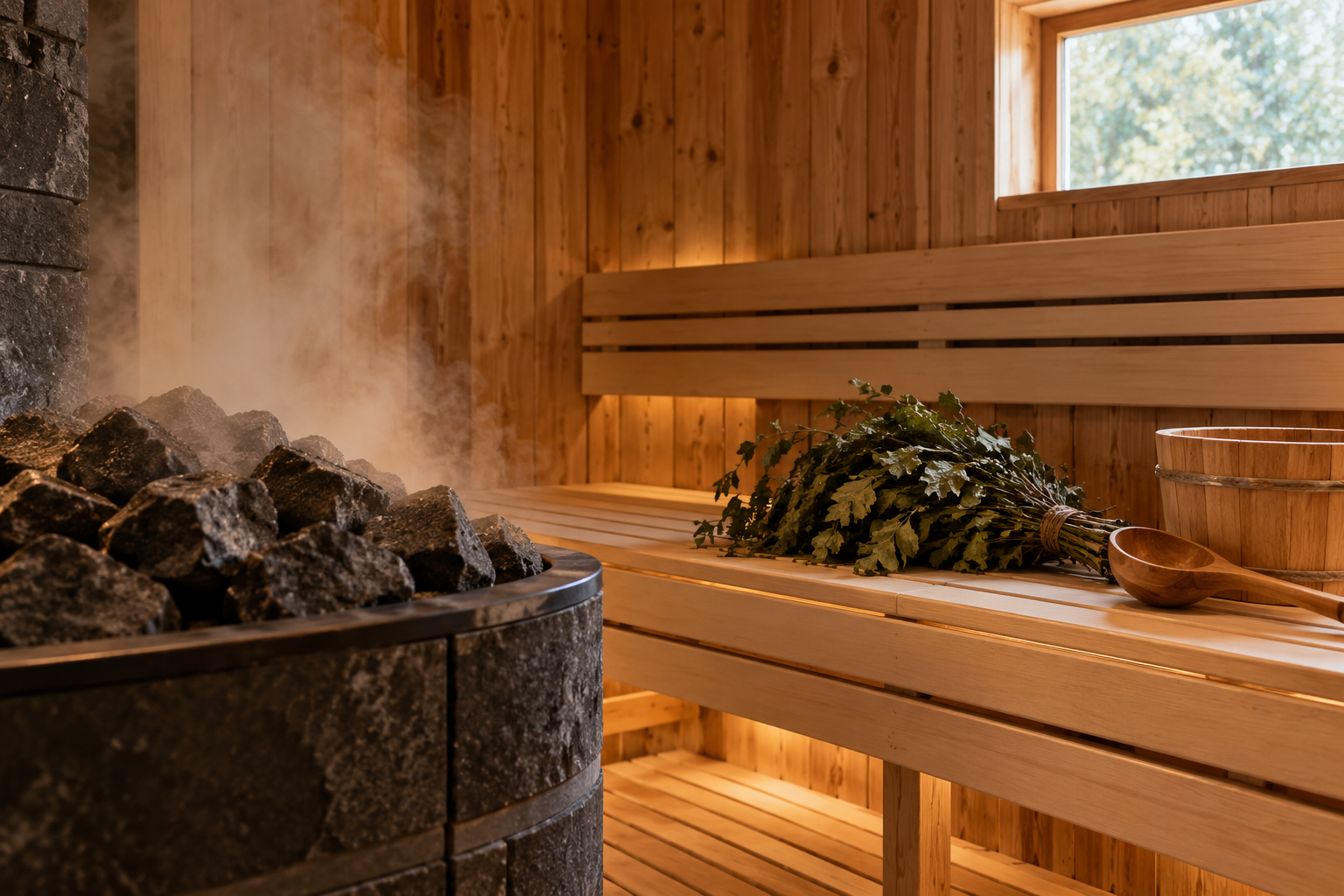
Contrast therapy is the deliberate alternation between heat and cold exposure, most often a sauna or steam room followed by cold water. Hot and cold therapy of this kind runs in rounds, and each round has three parts:
- Heat: steam or dry heat widens the blood vessels near your skin, raises your heart rate and makes you sweat.
- Cold: a cold plunge, ice bath or cold pool narrows those vessels and speeds up your breathing.
- Rest: you sit, drink water and settle before the next round.
Clinics use the same idea as contrast bath therapy, usually for a hand or foot. A sauna and cold plunge session applies it to the whole body, and the Russian banya is built around that rhythm.
Contrast Therapy Benefits: What the Research Supports
A 2013 systematic review of contrast water therapy found less muscle soreness than passive rest at every check from six to 96 hours afterward. All 18 trials carried a high risk of bias, so read it as a signal, not proof.
The American Medical Association’s July 2026 summary lands in a similar place: short-term relief from pain and stiffness, but no research showing lasting benefits for the heart, mood or immune system.
Where the evidence stands:
- Supported: short-term hot cold therapy benefits, meaning relief from muscle soreness, pain and stiffness
- Not shown: lasting heart, mood or immune benefits
Sauna Cold Plunge Rounds in a Private Banya Session
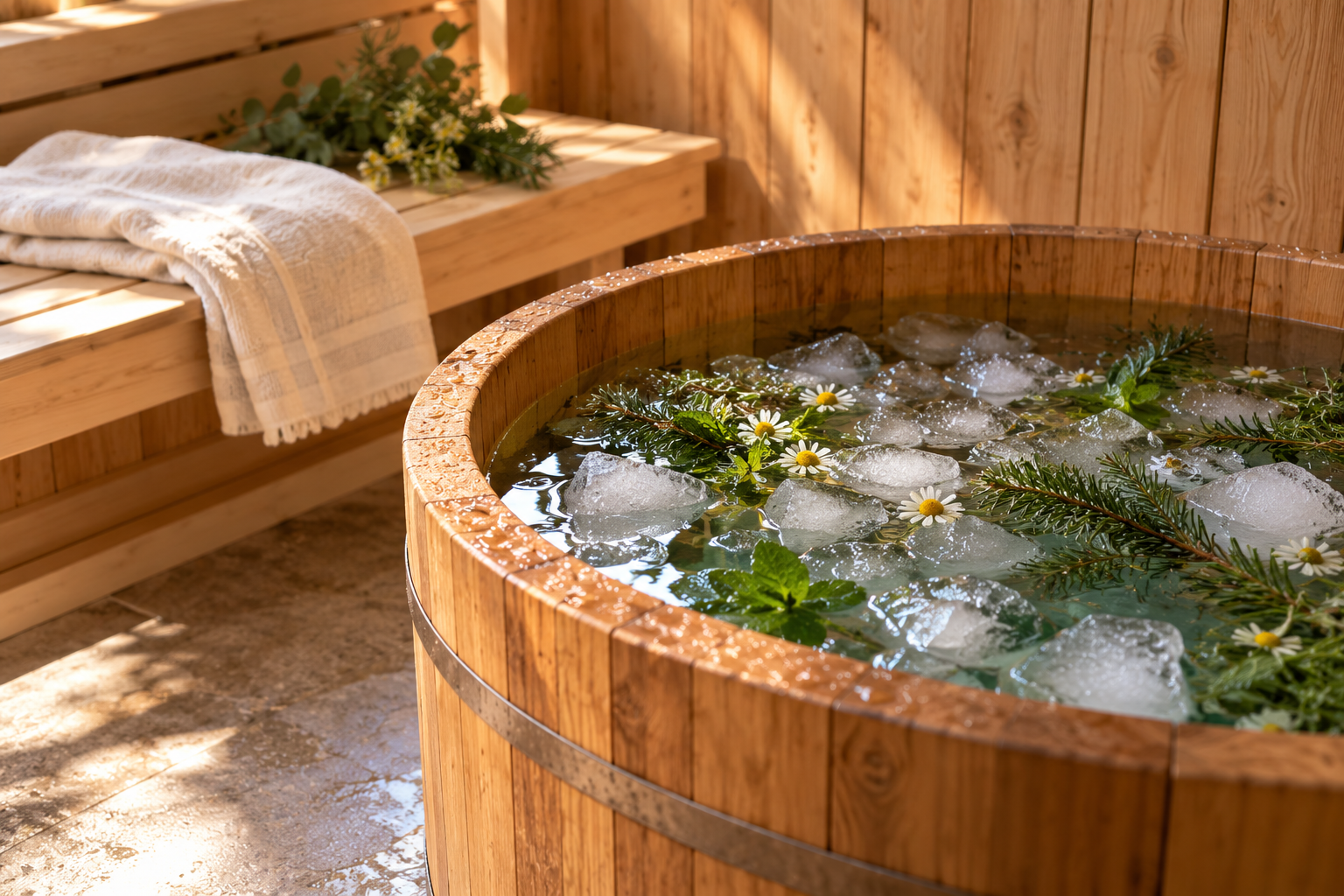
A banya treats contrast therapy as a sequence, not a checklist. At House of the Sun, a practitioner works a venik across your back in the steam first. (A venik is a bundle of birch or oak branches used to move heat.) Cold comes next, then rest. A round runs in this order:
- Steam with venik massage
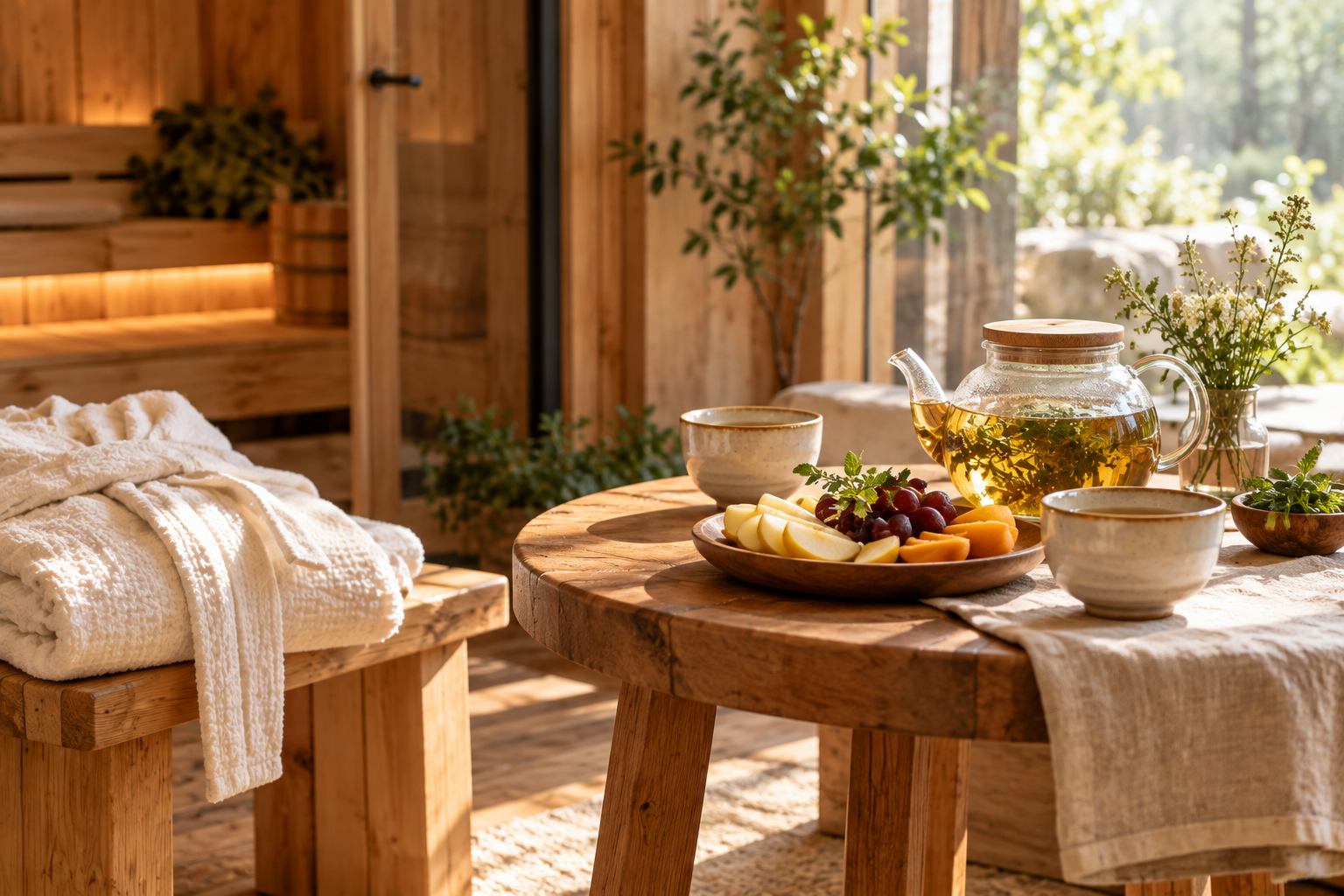
- Herb-infused ice bath or the separate cold swimming pool
- Rest with herbal tea and fruit before the next round
Only one party is on the property, so nobody else is in the steam or waiting for the cold pool. Tell your practitioner it’s your first time, and they’ll set the pace. The Rebirth package builds a session around this rhythm and adds the Pravilo frame, an herbal bath and singing bowls. A private sauna rental offers dry heat with a cold plunge add-on, and our breakdown of cold plunge limits and safety covers the cold half.
Who Should Talk to a Doctor Before Hot and Cold Contrast Therapy
Cold water raises blood pressure and makes the heart work harder, so the health check comes first. Cleveland Clinic’s cold plunge guidance says to talk to a healthcare provider before plunging if any of these apply:
- Heart disease or high blood pressure
- Diabetes
- Pregnancy
- Peripheral neuropathy or poor circulation
The same guidance has beginners start at 50 to 59°F, avoid water below 40°F and keep dips to a minute or two, with five as the ceiling. Get out if you feel dizzy or short of breath, and skip alcohol beforehand.
Frequently Asked Questions
Does contrast therapy really work?
Contrast therapy can ease muscle soreness and stiffness for a short time, and a 2013 systematic review found less soreness than passive rest. Research hasn’t shown lasting benefits for the heart, mood or immunity, so treat it as a ritual, not a treatment.
How long should a contrast therapy session last?
A single cold dip should last one to two minutes for beginners and never more than five, per Cleveland Clinic guidance. Heat rounds run longer than cold rounds, with rest between them. Private sessions at House of the Sun run 1.5, 2.5 or 3.5 hours.
Is a banya or a sauna and cold plunge better for contrast therapy?
Neither is better, they’re different. A banya uses high-humidity steam, a venik massage and a cold pool or ice bath, led by a practitioner. A sauna is dry heat with cold water as an add-on. Choose the banya for a guided sequence and the sauna for a simpler, shorter session.
How much does a private contrast therapy session cost in Woodland Hills?
At House of the Sun, the 2.5-hour Rebirth package is $450 per person and includes steam with venik, cold immersion, an herbal bath and sound work. The 1.5-hour Rebirth is $350 and the 3.5-hour is $600. Private sauna sessions start at $250.
Add-ons such as the Pravilo (30 minutes, $150) are priced separately.
Book a Private Contrast Therapy Session in Woodland Hills
The practical decision is whether cold belongs in your first visit at all, and it’s fine if the answer is no. Unsure which session fits? Request a free consultation or call (888) 884-7775. We’re in Woodland Hills, 10 to 15 minutes from Calabasas, open 6 am to 11 pm by appointment. Bookings are non-refundable because we host one party at a time.