
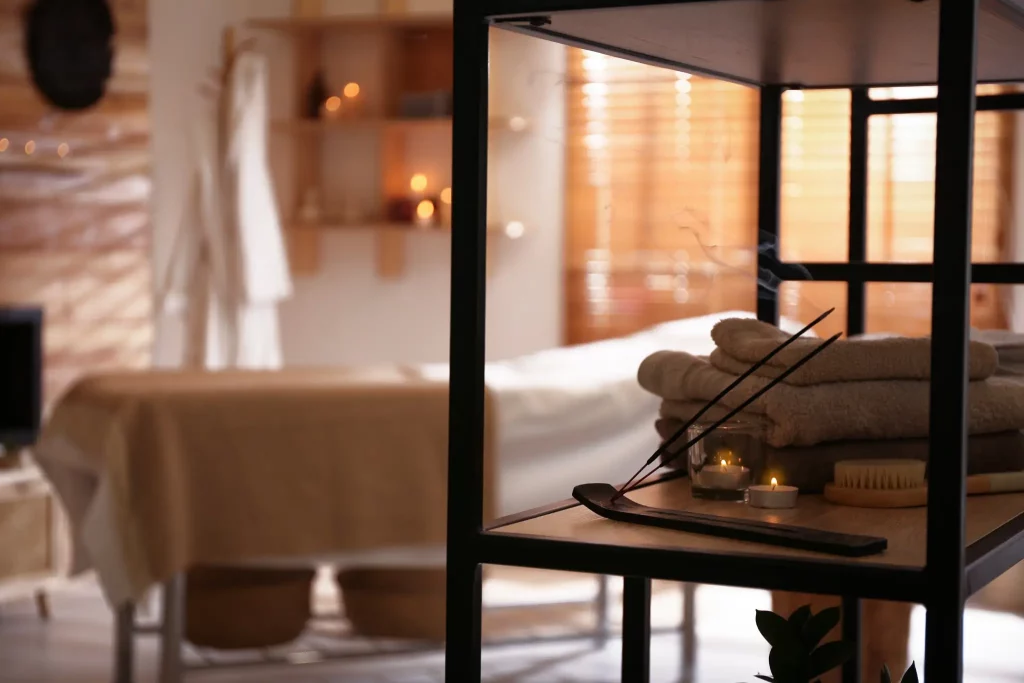
Cold immersion is one of the most recognizable elements associated with Russian and broader Slavic banya traditions. After spending time in a heated steam room, guests may cool down with cold water, fresh air, a plunge pool, or, historically, a nearby natural body of water.
The purpose is not to test endurance. Cooling creates a clear transition between periods of heat, helps guests regulate their comfort, and adds a stimulating contrast to the experience. Cold immersion should always be optional and adjusted to the individual.
House of Sun in Woodland Hills offers a private setting where guests can experience banya heat, rest, and optional cold immersion without sharing the facility with unrelated visitors.
Key takeaways
- Cooling has traditionally followed periods of heat in many banya practices.
- A cold plunge is one cooling option, not a mandatory part of every session.
- Beginners should enter gradually and leave whenever the experience becomes uncomfortable.
- More intense temperatures and longer immersion do not automatically provide a better experience.
- Rest and hydration are important between heat and cold.
- People with relevant health concerns should seek medical guidance before participating.
How cold immersion became part of the banya experience
The banya developed as a place for bathing, warmth, social interaction, and personal rituals. Traditional bathhouses were often located near rivers, lakes, wells, or other sources of water.
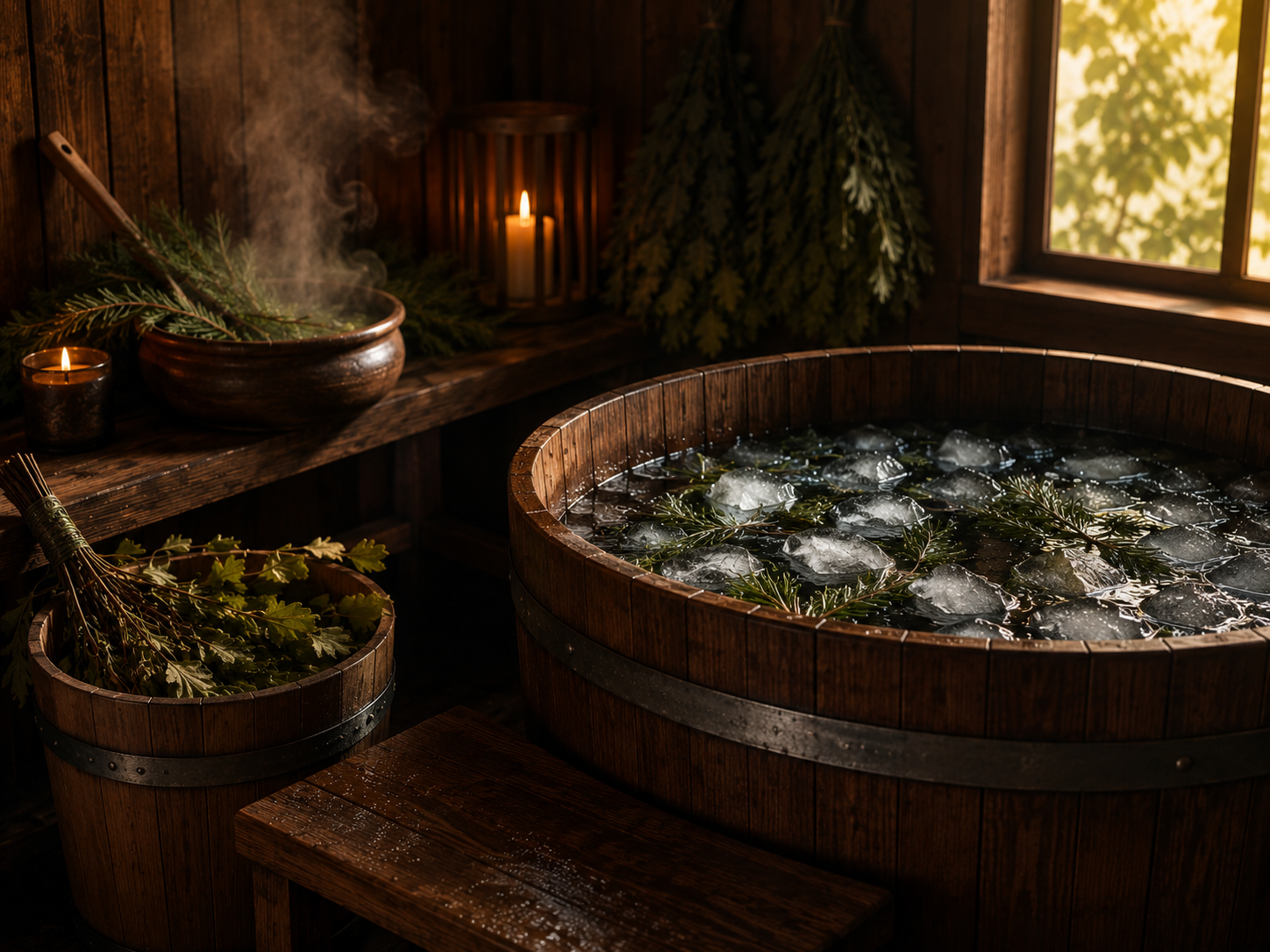
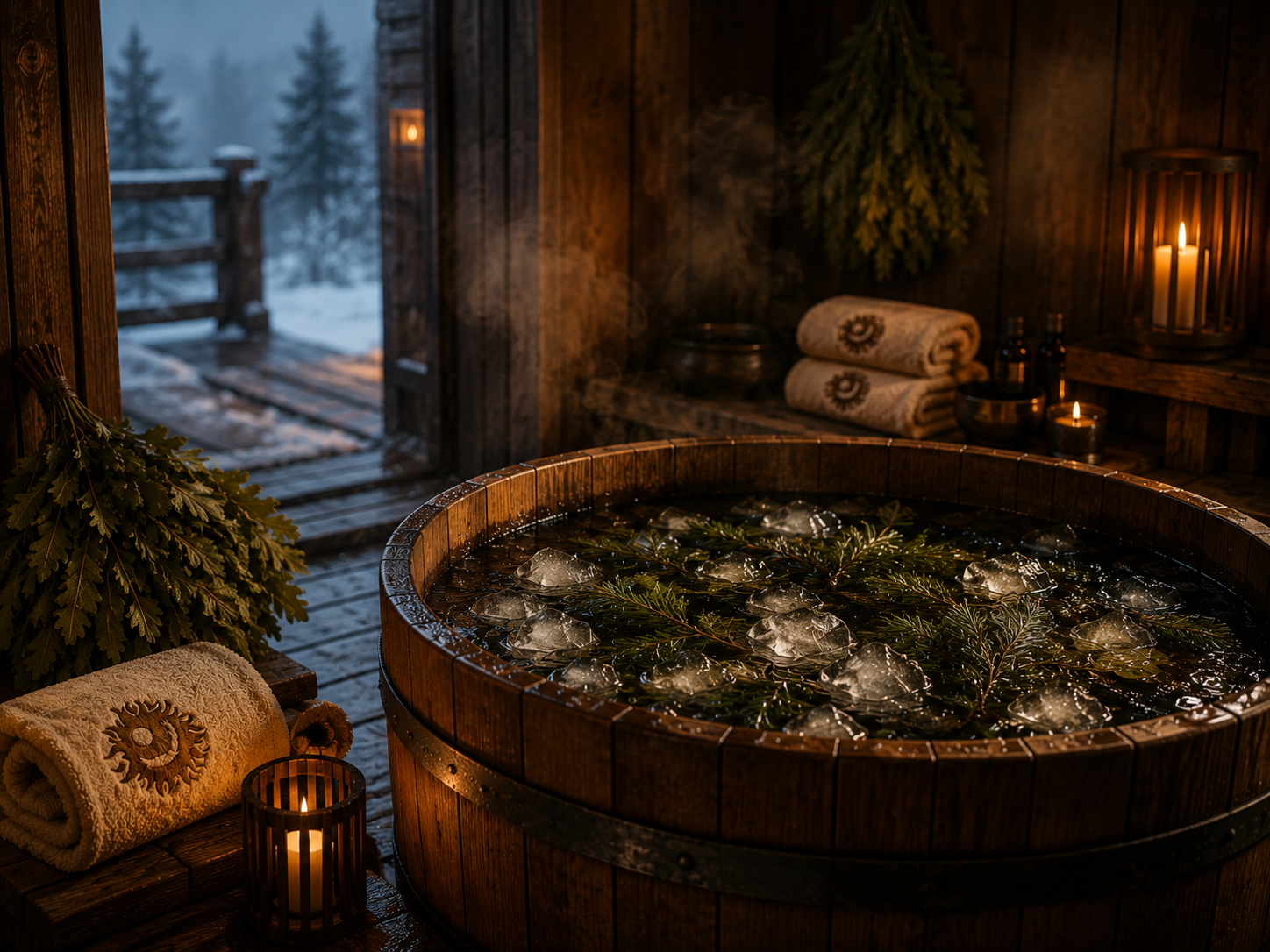
After being in a heated room, bathers could cool down by stepping outside, rinsing with cool water, entering a natural body of water, or using snow during winter. Modern facilities may offer showers, plunge pools, ice baths, or temperature-controlled cooling areas.
Practices have always varied by location, season, facility, family tradition, and individual preference. There is no single sequence that represents every Russian or Slavic banya experience.
The common principle is contrast. Heat is followed by an opportunity to cool, rest, and decide whether another round feels appropriate.
Why cooling matters after banya heat
A heated environment raises skin temperature and causes the body to work harder to regulate heat. Guests may sweat, notice an increased heart rate, and feel physically tired after spending time in a steam room.
Moving to a cooler environment can help end the heat exposure and create a distinct sensory transition. Some guests describe feeling refreshed, alert, or more aware of their breathing after cooling down.
These experiences vary. Cold immersion should not be presented as a guaranteed way to improve circulation, strengthen immunity, remove toxins, treat anxiety, reduce inflammation, or prevent cardiovascular disease.
A guest does not need to enter extremely cold water to complete a banya visit. Cooling can also involve:
- Leaving the heated room
- Resting in a comfortable area
- Taking a cool or lukewarm shower
- Spending time in fresh air
- Using a plunge pool briefly
- Allowing the body to cool gradually
The appropriate method depends on the guest’s health, experience, and comfort.
The basic heat, cool, and rest sequence
A private banya session may be organized into several stages rather than one continuous period of heat.
A simple sequence may include:
- Enter the banya and allow the body to adjust.
- Leave the heat before becoming uncomfortable.
- Choose an appropriate cooling method.
- Rest and rehydrate.
- Decide whether another round feels suitable.
Rest is an important part of the sequence. Moving directly from one intense activity to another can make it harder to recognize dizziness, fatigue, or other signs that the body needs a break.
Guests should not treat the number of rounds as a performance goal. One comfortable heat and cooling cycle may be enough, especially during a first visit.
Is a cold plunge required?
No. Cold immersion is associated with banya tradition, but it should never be mandatory.
Some guests enjoy the sharp contrast between heat and cold. Others prefer fresh air, a cool shower, or a longer rest period. All of these options can provide a transition out of the heated environment.
A quality provider should explain:
- Which cooling options are available
- Whether the plunge is optional
- How guests can enter and exit safely
- Where they can rest afterward
- How to request assistance
- Which symptoms mean the activity should stop
Guests should be able to decline the plunge without being told that their session will be incomplete or ineffective.
What first-time guests should expect
The first contact with cold water may trigger an involuntary gasp and rapid breathing. This is one reason guests should enter carefully and avoid jumping into unfamiliar water.
First-time visitors should:
- Listen to the practitioner’s instructions
- Confirm the safest entry and exit points
- Enter only when they feel steady after the heat
- Keep the face above water initially
- Avoid breath-holding challenges
- Leave when breathing becomes difficult to control
- Rest before considering another round
There is no universal immersion time that is appropriate for everyone. Guests should not remain in cold water simply to meet a target or imitate someone with more experience.
The experience should feel controlled. Severe discomfort, numbness, chest pain, confusion, dizziness, or difficulty breathing are reasons to exit immediately and seek assistance.
How venik treatment fits into the sequence
Some banya experiences include venik treatment, also called parenie, using bundles of leafy branches such as birch or oak.
The practitioner may use the venik to move warm air, apply light pressure, or rhythmically contact the body. The intensity and technique can vary considerably.
Venik treatment should be adapted to the guest’s comfort. It should not cause injury or be described as a guaranteed treatment for pain, poor circulation, or other medical conditions.
Cooling and rest may follow the heat and venik portion of the session. Guests can choose whether that cooling includes a plunge, shower, fresh air, or another option.
Read more about venik treatment in banya before deciding whether to include it in your visit.
Important safety considerations
Moving between intense heat and cold creates additional demands on the cardiovascular and respiratory systems. Cold immersion is not appropriate for every guest.
Speak with a qualified healthcare professional before participating if you are pregnant or have:
- A cardiovascular condition
- Uncontrolled blood pressure
- A history of fainting
- Reduced temperature sensitivity
- Raynaud’s syndrome or another circulation-related concern
- A seizure disorder
- A recent injury or surgical procedure
- Another condition affected by temperature extremes
Guests should also avoid intense heat and cold when acutely ill or under the influence of alcohol or recreational drugs.
Leave the heat or cold immediately if you experience chest discomfort, dizziness, nausea, confusion, unusual weakness, numbness, shortness of breath, or a feeling that something is wrong.
The importance of hydration and rest
Sweating can contribute to fluid loss, especially during repeated heat sessions. Guests should arrive reasonably hydrated and have access to water throughout the visit.
Hydration does not make unlimited heat exposure safe. It is still important to take breaks and respond to physical warning signs.
Between rounds:
- Sit or lie down if needed
- Drink water gradually
- Allow breathing and heart rate to settle
- Avoid standing suddenly if you feel lightheaded
- Do not rush back into the heat
- End the session if you feel unusually tired
A calm rest period can be just as valuable to the overall experience as the contrast between hot and cold.
Why privacy can improve the experience
Shared bathhouses can be enjoyable, but first-time guests may feel pressured when other people appear comfortable with colder water, longer heat sessions, or repeated rounds.
A private environment makes it easier to:
- Ask questions
- Set a comfortable pace
- Decline an activity
- Adjust the temperature
- Rest without feeling rushed
- Use the facilities without waiting
- Share the experience with a partner
House of Sun provides a private banya and sauna experience in Los Angeles for one reserved party at a time.
Cold immersion as part of a broader ritual
In some wellness experiences, cooling is incorporated into a longer sequence that may include massage, stretching, sound, meditation, or ceremonial elements.
The cold plunge does not need to be treated as an isolated challenge. It can simply serve as one transition within a private session.
Guests interested in the symbolic use of heat can also read about the meaning of a fire cleansing ritual.
Choosing the right experience
Before booking, ask how the session is structured and which activities are optional.
Useful questions include:
- How hot is the banya environment?
- What cooling options are available?
- Is the cold plunge required?
- Will a practitioner provide instructions?
- How much rest time is included?
- Is the space completely private?
- What should I bring?
- Which health conditions should be disclosed?
For guests who want several practices incorporated into one visit, the Rebirth experience may provide a more structured introduction to the private wellness setting.
Frequently asked questions
Should you use a cold plunge immediately after the banya?
Not necessarily. Guests should first make sure they feel steady enough to enter and exit safely. Some may prefer a brief transition or gradual cooling after leaving the heat. Follow the facility’s instructions and your own comfort level.
How long should a beginner stay in a cold plunge?
There is no universal time that is safe or necessary for every beginner. Start conservatively, focus on controlled breathing, and exit whenever the experience feels overwhelming or uncomfortable.
Can I experience a banya without using the cold plunge?
Yes. Cold immersion should be optional. A guest may cool down through rest, fresh air, or a cool shower instead.
Is cold immersion safe for everyone?
No. Temperature extremes may not be appropriate for people with certain medical conditions or during pregnancy. Consult a qualified healthcare professional if you have health concerns that may affect participation.
Experience a private banya in Woodland Hills
The cold plunge plays an important role in many Russian and Slavic banya traditions, but it is only one possible part of the experience. Heat, cooling, hydration, rest, personal choice, and careful guidance should work together.
House of Sun offers private, reservation-only wellness experiences for individuals and couples in Woodland Hills.
Book your private banya experience and ask which heat and cooling options are included in your selected package.