
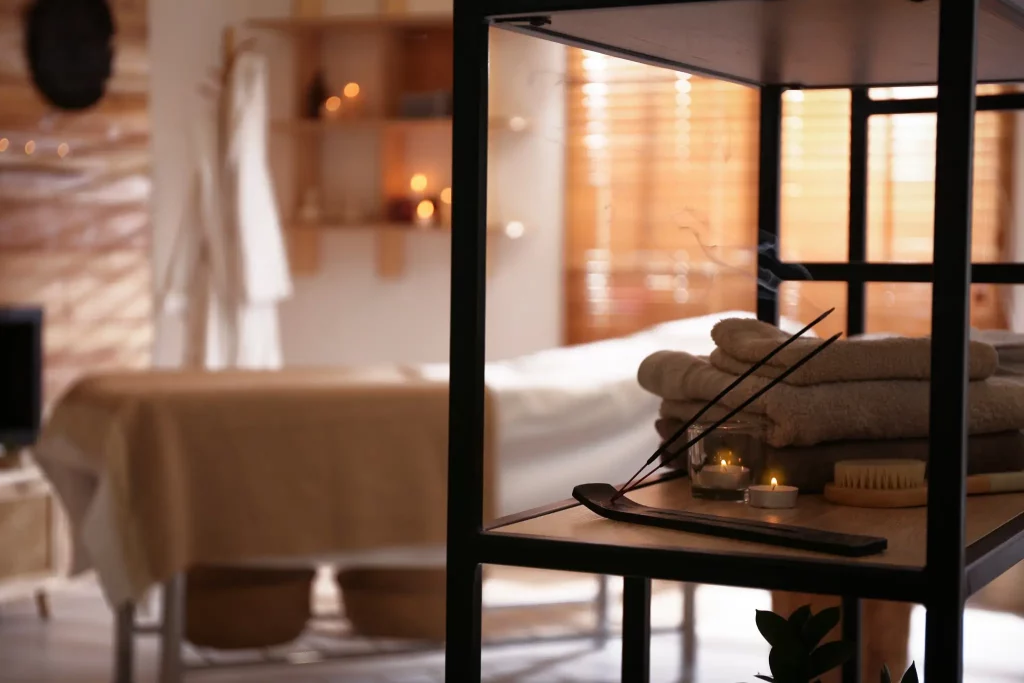
A sauna session creates a temporary break from screens, noise, work, and other daily demands. The warm environment, slower pace, and opportunity to rest may help some people feel calmer during and after the experience.
Sauna use should not be described as a way to “reset” the nervous system or treat anxiety, depression, insomnia, or another health condition. Its most realistic role is to provide a controlled environment for heat, quiet, hydration, and relaxation.
At House of Sun in Woodland Hills, sauna and banya experiences take place in a private, reservation-only setting where guests can adjust the pace and choose which amenities they want to use.
Key takeaways
- Sauna sessions may support temporary relaxation and time away from daily stressors.
- Infrared, dry, and steam environments create different experiences.
- No sauna type is proven to provide a universal “nervous system reset.”
- Session length should be based on comfort rather than a fixed target.
- Hydration, rest, and gradual cooling are important.
- Sauna use should complement, not replace, mental or medical healthcare.
How sauna may support relaxation
Relaxation during a sauna visit may come from several parts of the experience rather than heat alone.
A sauna session can provide:
- Separation from phones and work
- A quiet environment
- Time to focus on breathing
- A predictable sensory experience
- Temporary warmth across the body
- An opportunity to rest afterward
- A deliberate pause in a busy schedule
Some guests report feeling calmer or less physically tense after heat exposure. Others may feel tired, overstimulated, or uncomfortable. Individual responses depend on heat tolerance, hydration, health, session length, and the surrounding environment.
The absence of distractions may be just as important as the temperature. A crowded sauna with noise and limited space may feel very different from a private session with time to rest.
Understanding the nervous system language
The autonomic nervous system helps regulate involuntary functions such as heart rate, breathing, blood pressure, and digestion. It includes sympathetic and parasympathetic activity.
The sympathetic response is commonly associated with alertness and responding to challenges. Parasympathetic activity is associated with functions that occur during rest. These systems do not operate like switches that can simply be turned on or off.
Heat initially requires the body to regulate its temperature. Heart rate may increase, blood vessels near the skin may widen, and sweating may begin. After leaving the heat and resting, some guests may experience a sense of calm.
This does not mean the nervous system has been “reset,” repaired, or permanently rebalanced. Such language oversimplifies a complex biological system.
Sauna should be presented as a wellness experience that may help a guest relax, not as a neurological treatment.

Infrared, traditional, and steam sauna experiences
Different types of heated environments can feel very different. The best option depends primarily on personal comfort.
| Sauna type | How it creates heat | Typical experience |
|---|---|---|
| Infrared sauna | Uses infrared energy to warm the body and surrounding surfaces | Usually feels gentler to people who prefer lower air temperatures |
| Traditional sauna | Heats the surrounding air, commonly with a stove and stones | Typically provides a hotter, drier environment |
| Steam room or banya | Combines heat with higher humidity | Creates moist, enveloping heat and visible steam |
None of these options is automatically best for stress relief or nervous system support. Claims that infrared heat penetrates deeply enough to remove toxins or provide superior mental health benefits should be avoided.
Humidity may make an environment feel more intense even at a lower temperature. Guests who dislike dry air may prefer steam, while others find humid heat more difficult to tolerate.
Learn how these environments compare in the guide to Russian banya for Los Angeles visitors.
Why privacy may improve the experience
Relaxation can be difficult when guests are waiting for space, listening to conversations, or monitoring how long other people remain in the heat.
A private setting may offer:
- Less background noise
- Control over the pace
- Fewer interruptions
- More space to cool and rest
- Easier communication with the provider
- No pressure to match another person’s tolerance
- Greater comfort for couples or private groups
House of Sun offers private banya and sauna rental in Los Angeles for one reserved party at a time.
Mindful practices during a sauna session
Simple relaxation practices may help guests become more aware of how their bodies are responding to heat.
Options include:
- Slow, comfortable breathing
- Quiet observation of physical sensations
- Brief meditation
- Relaxing the jaw and shoulders
- Limiting conversation
- Listening to soft music
- Resting without a phone afterward
Avoid aggressive breathwork, prolonged breath holding, or exercises that cause dizziness. Stretching should also remain gentle because heat may change how flexible the body feels.
Guests do not need to force themselves into a particular mental state. The session can still be worthwhile even without a dramatic emotional response.
How long should a sauna session last?
There is no single duration that is appropriate for every person or every type of sauna. Temperature, humidity, personal experience, health, and hydration all affect tolerance.
First-time visitors should begin conservatively and leave before they feel overwhelmed. Longer sessions do not guarantee greater relaxation.
Leave immediately if you experience:
- Dizziness
- Nausea
- Confusion
- Chest discomfort
- Shortness of breath
- Unusual weakness
- A severe headache
- Feeling faint or unwell
After leaving the sauna, allow time to cool gradually. Sit down, drink water, and wait until you feel steady before standing or beginning another activity.

Hydration and cooling
Sweating can contribute to fluid loss. Guests should arrive reasonably hydrated and have access to water during the visit.
Practical precautions include:
- Drinking water before and after the session
- Avoiding alcohol
- Avoiding a very heavy meal immediately beforehand
- Taking breaks between heat rounds
- Standing up slowly
- Ending the session when tired
- Resting after leaving the heat
Cooling does not have to involve an ice bath. Fresh air, rest, or a cool shower may be enough.
Cold immersion should remain optional. Guests interested in heat and cold contrast can read about the role of cold plunge in banya tradition.
Can sauna improve sleep or mood?
Some people report feeling relaxed or sleepy after a sauna visit, while others feel alert or physically tired. These short-term experiences vary.
Sauna use should not be presented as a guaranteed way to:
- Reduce cortisol
- Correct a sleep disorder
- Treat anxiety or depression
- Regulate circadian rhythms
- Produce long-term mood improvement
- Replace counseling, medication, or medical care
Someone experiencing persistent sleep problems, anxiety, depression, panic attacks, or other mental health symptoms should seek guidance from a qualified healthcare professional.
A sauna visit may still be included in a broader personal relaxation routine when it is safe and enjoyable for the individual.
Who should use additional caution?
Heat exposure may not be appropriate for everyone.
Consult a qualified healthcare professional before sauna use if you are pregnant or have:
- Cardiovascular disease
- Uncontrolled blood pressure
- Reduced temperature sensitivity
- A history of fainting or seizures
- An acute illness or fever
- A recent injury or surgical procedure
- A condition or medication that affects heat tolerance
Guests should not use a sauna while intoxicated. Alcohol may contribute to dehydration and interfere with the ability to recognize warning signs.
Combining sauna with massage
Some guests choose to combine heat exposure with massage or bodywork. The order and intensity should be discussed with the provider.
Heat may make a guest feel more relaxed, but it can also contribute to fatigue or lightheadedness. A rest period between activities may be appropriate.
Massage should be adjusted based on the guest’s comfort, health considerations, and areas that should be avoided.
For another nonmedical approach to relaxation, read about therapeutic massage for stress relief in Los Angeles.
Creating a realistic sauna routine
There is no universal schedule required to experience relaxation. Some guests prefer occasional visits, while others enjoy sauna use more regularly.
Base frequency on:
- How you feel during and after each session
- The type and intensity of heat
- Your general health
- Healthcare guidance when relevant
- Whether the experience remains comfortable
- The amount of time available for cooling and rest
More frequent sauna use is not automatically more beneficial. Stop or reduce sessions if you repeatedly experience headaches, exhaustion, dizziness, or other concerning symptoms.
Frequently asked questions
Can sauna cure stress or anxiety?
No. Sauna is not a treatment for anxiety disorders or chronic stress. It may provide a temporary setting for warmth, quiet, and relaxation, but it should not replace professional mental health support.
Which sauna type is best for relaxation?
There is no universally superior type. Choose between infrared, traditional dry heat, and steam based on your comfort with temperature and humidity.
Should I use a cold plunge after the sauna?
Not necessarily. Cold immersion is optional and may not be appropriate for everyone. Guests can cool down through rest, fresh air, or a cool shower.
Is sauna safe if I have high blood pressure?
It depends on your condition and whether it is controlled. Consult a qualified healthcare professional before using a sauna if you have high blood pressure or another cardiovascular concern.
Experience private sauna relaxation in Woodland Hills
Sauna sessions may provide a welcome break from daily stimulation when they are approached with realistic expectations, adequate hydration, and attention to personal limits.
House of Sun offers private wellness experiences for individuals and couples in Woodland Hills, including sauna, banya, massage, optional cold immersion, and dedicated relaxation time.
Book your private wellness experience and confirm which heat-based amenities are included in your selected package.