
How Often Should You Get a Massage for Real Results?
Massage is a potent pathway to better health, but the real gains come from consistency. This guide walks you through how often to book sessions depending on your goals — whether you want pain relief, stress resilience, or improved mobility. Read on for practical tips to fold massage into your life and for how a tailored schedule at a luxury spa like House of Sun can accelerate your progress.
Table of Contents
- Why massage frequency matters for lasting results
- Optimal massage schedules for different wellness goals
- How a personalized massage frequency amplifies results at a luxury spa
- Benefits of regular massage therapy for long-term health
- How luxury massage memberships in Los Angeles support consistent wellness
- How to book your personalized massage-frequency consultation at House of Sun
- Frequently Asked Questions
- Conclusion
Why massage frequency matters for lasting results
Frequency matters because massage effects add up. Regular sessions help sustain reduced tension, steadier mood, and better movement — benefits that are more meaningful when they build over weeks and months rather than in isolated visits.
What cumulative benefits can you expect from regular massage?
Over time, consistent massage supports physical improvements such as better circulation and looser muscles, and it also supports emotional balance by lowering anxiety and helping you feel calmer. In short: the short-term relief is useful, but the long-term shifts are where wellness grows.
How consistency improves stress relief, pain management, and mobility
A steady massage routine preserves muscle relaxation and reduces chronic tension, which eases persistent pain and helps joints move more freely. People with conditions like fibromyalgia or arthritis often find symptoms become easier to manage when sessions are regular. Clients who commit to a plan typically report deeper stress relief and clearer physical improvements.
Optimal massage schedules for different wellness goals
How often should you get a massage for chronic pain relief?
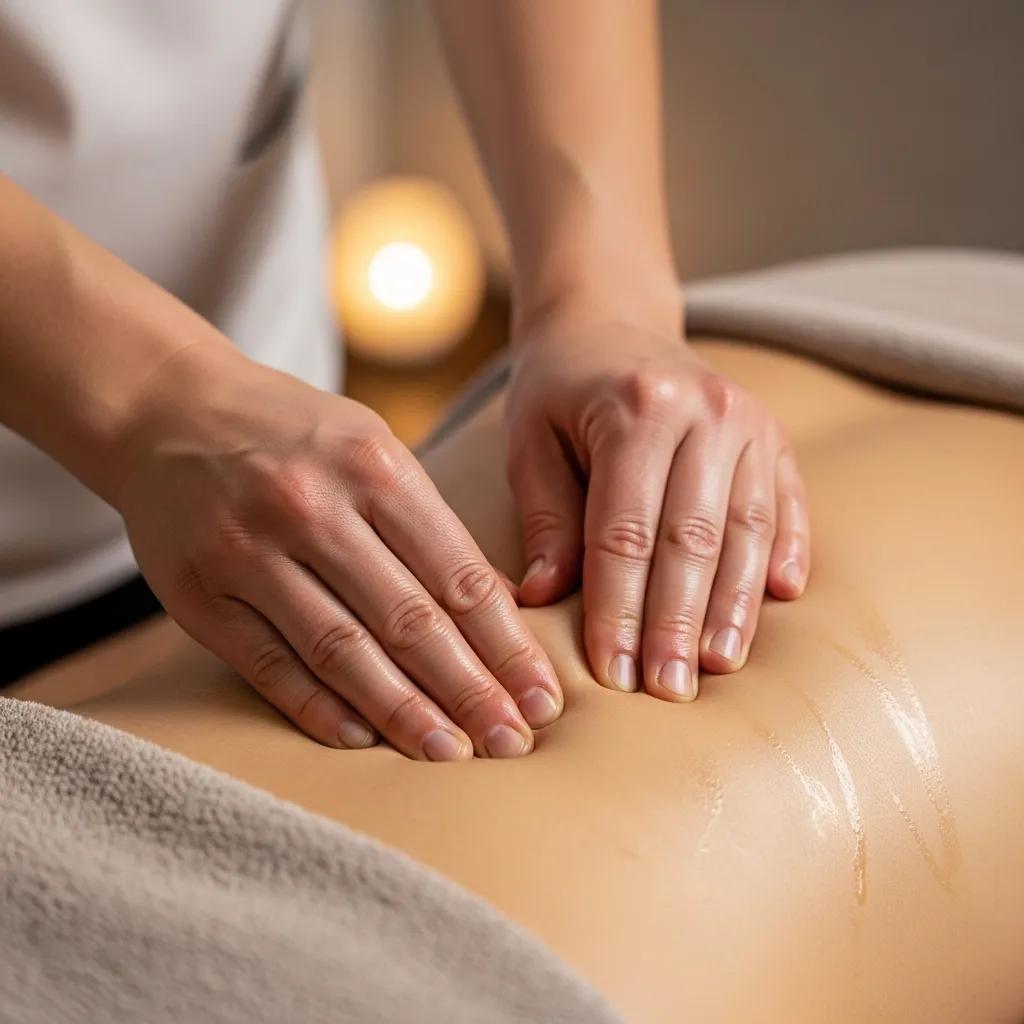
For many chronic pain conditions, starting with weekly sessions is recommended — it gives the body repeated input to reduce pain and address underlying tension. After an initial phase you can usually move to every other week or monthly maintenance. Techniques like deep tissue or therapeutic massage are often most helpful for ongoing pain management.
Research supports using consistent massage as a practical strategy for managing chronic musculoskeletal pain.
Optimal Massage Frequency for Chronic Pain Management
A 2024 systematic review examines ideal dosage and frequency, and highlights teachable massage techniques that people can use to self-manage musculoskeletal and chronic pain.
Massage therapy as a self-management strategy for musculoskeletal pain and chronic conditions: a systematic review of feasibility and scope, D Nemati, 2024
What frequency is recommended for stress reduction and mental well-being?
For ongoing stress management, monthly sessions are a good baseline for most people. If your stress load is high, bi-weekly massages can be more effective at lowering cortisol and supporting relaxation. Regular appointments help make calm a habit, not an occasional treat.
While we have practical recommendations, research continues to refine the best session length and cadence for stress-related outcomes.
Massage Frequency for Stress Reduction Research
Reviews note that more research is needed to define optimal treatment duration and frequency, and to clarify how massage influences the physiological stress response.
Physiological adjustments to stress measures following massage therapy: a review of the literature, RA Pollini, 2010
How a personalized massage frequency amplifies results at a luxury spa
Why a bespoke schedule matters for lasting wellness
A bespoke plan aligns your sessions with your body, lifestyle, and goals. When therapists assess your history and needs, they can design a sequence of sessions that accelerates recovery and sustains progress — and that personalization is what turns occasional relief into lasting change.
How unique treatments like Slavic structural bodywork affect frequency
Specialty approaches — for example, Slavic structural bodywork — may need a different rhythm to be most effective. This specialized technique focuses on alignment and structural issues, so an initial series of closer-together sessions is common, followed by a tailored maintenance schedule.
Benefits of regular massage therapy for long-term health
How consistent massage supports physical health and flexibility
Regular massage helps keep muscles supple, improves range of motion, and reduces the risk of tension-related injury. Better circulation from consistent treatment also supports tissue health by delivering nutrients and clearing metabolic byproducts.
What mental and emotional benefits come from routine massage sessions?
Routine massage reduces anxiety, eases symptoms of depression for many people, and improves overall mood and emotional balance. Clients often say they feel more grounded and centered when massage is part of their regular self-care.
Taken together, massage is increasingly viewed as a core element of a holistic self-care plan with meaningful long-term benefits.
Holistic Massage for Long-Term Wellness Benefits
A 2023 senior project aimed to raise awareness about holistic therapy, using newsletters, social posts, and blog content during an internship to highlight the role of massage within broader wellness plans.
Long Term Benefits Of Holistic Treatment: Massage Therapy As Part Of A Wellness Plan, 2023
How luxury massage memberships in Los Angeles support consistent wellness
What are the advantages of memberships for keeping a steady schedule?
Memberships make regular care manageable — they often include reduced rates, priority booking, and perks that remove friction from scheduling. Those small conveniences make it easier to keep appointments and preserve the gains you’ve worked for.
How gift cards encourage regular private massage therapy in LA
Gift cards are a thoughtful nudge toward regular self-care: they invite friends or family to try professional massage, and they can motivate recipients to book follow-up visits rather than letting the experience fade.
How to book your personalized massage-frequency consultation at House of Sun
What to expect during your initial wellness assessment
Your first assessment covers health history, current concerns, and your wellness goals. Therapists use that conversation to recommend a session type and cadence that fit your needs — a clear starting point for a plan that evolves with you.
How to choose the right package for your massage frequency goals
Picking a package starts with your priority: pain relief, stress management, movement, or maintenance. House of Sun offers several options so you can match frequency and technique to the outcomes you want, with room to adjust as you progress.
Frequently Asked Questions
What types of massage are best for specific wellness goals?
Different goals call for different approaches. Deep tissue and therapeutic massage are commonly used for chronic pain; Swedish and relaxation massage are ideal for stress relief and rest; sports massage supports performance and recovery; prenatal massage is tailored for expectant mothers. Your therapist can help you choose and combine techniques to meet your goals.
Can massage therapy help with anxiety and depression?
Yes — many people find massage reduces anxiety and eases depressive symptoms. Regular sessions tend to lower stress hormones like cortisol and can support increases in mood-regulating neurotransmitters such as serotonin and dopamine. Massage is not a replacement for clinical care, but it can be a powerful supportive tool.
How can I integrate massage therapy into my busy schedule?
Make it stick by treating appointments as non‑negotiable blocks: book recurring slots, choose quieter times like early mornings or weekends, and consider a membership to simplify scheduling. Small habit changes — calendar reminders, pairing a session with another weekly routine — make regular care far easier to maintain.
What should I communicate to my massage therapist before a session?
Tell your therapist your health history, current pain points, chronically tense areas, and what you hope to get from the session. Also share pressure preferences, past injuries or surgeries, and any sensitivities. Open communication makes the session safer and more effective.
Are there any contraindications for massage therapy?
Yes. Certain conditions — like severe osteoporosis, recent surgeries, infections, uncontrolled blood clots, or open wounds — may make massage unsafe. Always inform your therapist of medical concerns and consult your healthcare provider when in doubt.
How can I enhance the benefits of my massage therapy sessions?
Boost results with simple habits: stay well hydrated before and after sessions, do gentle stretches between visits, prioritize sleep, and add mindfulness or breathing practices to extend relaxation. These small steps help maintain gains between appointments.
Conclusion
Regular massage delivers more than momentary relief — it nurtures lasting improvements in body and mind when scheduled thoughtfully. A consistent, personalized plan at a luxury spa like House of Sun can transform occasional comfort into sustained well-being. Take the next step: book a consultation and create a rhythm that works for you.